Why Do Pugs Snore? Common Causes, Flat-Faced Anatomy, and When It’s Normal

Disclosure: This post contains affiliate links. As an Amazon Associate, I earn from qualifying purchases—at no extra cost to you.
Last Updated: December 2025
Pugs are well known for their loud snoring. Many owners hear it almost every night and wonder whether it’s just a quirky breed trait or something they should be concerned about. In most cases, pug snoring is completely normal, but understanding why it happens makes it much easier to recognize when something may be off.
Snoring in pugs is closely tied to how their airways are shaped. Because of their flat faces, air doesn’t always move smoothly when they sleep, which is why the sound can be so noticeable—even during light naps.
👉 For a broader look at health issues that commonly affect the breed, this guide to common pug health concerns explains how snoring, breathing strain, and heat sensitivity are connected: see the full pug health overview.
🔍 Why Pugs Snore More Than Other Dogs
The main reason pugs snore more than many other dogs is their brachycephalic anatomy. Their shortened skull structure reduces space in the nose and throat, naturally limiting airflow.
When a pug relaxes or falls asleep, the muscles around the airway loosen. As air moves through these narrower passages, the soft tissues vibrate, creating the familiar snoring sound.
🔍 How Flat-Faced Anatomy Leads to Snoring
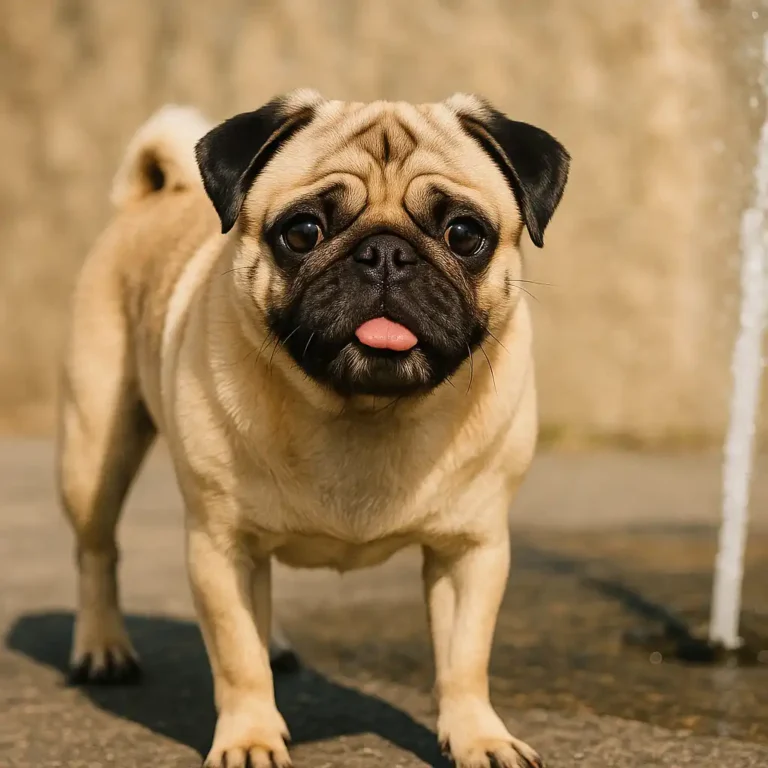
Several physical traits work together to make snoring common in pugs. Narrow nostrils restrict airflow at the entry point, while an elongated soft palate can partially block the airway, especially when a pug is lying down.
These traits are usually manageable when a pug is awake, but during sleep, relaxed tissues and gravity can make snoring louder and more consistent.
🔍 Is It Normal for Pugs to Snore Regularly?
For most pugs, regular snoring is completely normal and not a sign of illness. Some pugs snore lightly, while others are very loud sleepers, and this pattern often stays the same over time.
As long as the sound doesn’t suddenly change and your pug seems comfortable during the day, snoring alone is usually nothing to worry about.
🔍 Why Snoring Gets Worse With Weight, Heat, or Sleep Position
Certain factors can make pug snoring worse. Extra weight around the neck and chest puts added pressure on the airway, making airflow more restricted.
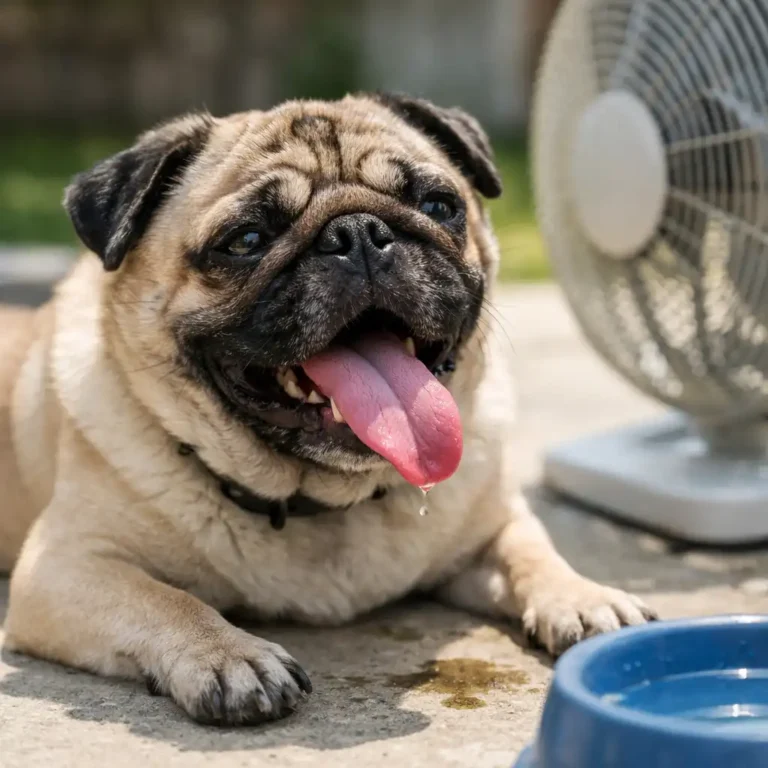
Heat also plays a role, as warmer temperatures cause pugs to pant more and breathe harder. Sleeping position matters too, with many pugs snoring more when lying flat on their backs compared to when their head is slightly elevated.
🔍 When Pug Snoring Becomes a Concern
While snoring itself is usually harmless, some warning signs shouldn’t be ignored. Snoring paired with choking sounds, frequent gagging, labored breathing, or pauses in breathing can indicate airway obstruction.
If snoring suddenly worsens or is accompanied by exercise intolerance or collapse, a veterinarian should assess your pug’s airway.
🔍 Can Pugs Live Comfortably Even If They Snore?
Most pugs live happy, comfortable lives despite snoring. Snoring alone doesn’t mean a pug is struggling to breathe or experiencing discomfort.
Maintaining a healthy weight, avoiding overheating, and paying attention to breathing patterns can help keep snoring within a normal range.
📌 Key Takeaways
- Pugs snore mainly because of their flat-faced anatomy
- Restricted airways cause soft tissues to vibrate during sleep
- Regular snoring is usually normal for the breed
- Weight, heat, and sleep position can make snoring worse
- Sudden changes in snoring patterns should be checked
🟢 FAQs
Q: Is it normal for pugs to snore loudly?
Yes. Loud snoring is very common in pugs due to their shortened airways.
Q: Do all pugs snore?
Most pugs snore at least occasionally, though volume and frequency vary.
Q: Can snoring mean my pug can’t breathe properly?
Sometimes. Snoring combined with labored breathing or gagging should be evaluated.
Q: Does pug snoring get worse with age?
It can. Weight gain and reduced airway tone may increase snoring over time.
✅ Conclusion
Pugs snore because their flat-faced anatomy naturally restricts airflow and causes soft tissues to vibrate during sleep. In most cases, snoring is a normal and harmless breed trait. By understanding what causes it and keeping an eye on changes, owners can help ensure their pugs remain comfortable and healthy.