How Long Do Pugs Sleep Each Day? Understanding Their Rest Needs

Disclosure: This post contains affiliate links. As an Amazon Associate, I earn from qualifying purchases—at no extra cost to you.
Last Updated: December 2025
Pugs are champion nappers, and it often surprises new owners just how many hours they can snooze in a single day. Their relaxed temperament and low-endurance build naturally lead to long sleep cycles. Once you know what’s normal, it becomes much easier to understand your pug’s rhythm and notice when something feels off.
👉 If you’d like an easy overview of daily habits that help your pug rest comfortably, this friendly pug care guide walks through simple routines that support healthier sleep and overall wellbeing.
🔍 How Many Hours Do Pugs Usually Sleep?
Most adult pugs sleep 12–14 hours a day, split between nighttime rest and several naps. Age plays a big role in how much sleep they need:
- Puppies: 18–20 hours
- Adults: 12–14 hours
- Seniors: 16–18 hours
They tend to nap more during quiet parts of the day and stay alert when the household is active.
🔍 Why Pugs Sleep So Much
Pugs aren’t built for long stretches of activity. Their short muzzles make heavy breathing harder during play, so they wear out faster than many breeds. After a walk or a quick round of fetch, it’s completely normal for them to settle into a nap.
Other reasons they rest more:
- Naturally low endurance
- Sensitivity to warm temperatures
- Love of cozy resting spots
- Calm, easygoing temperament
- Strong connection to household routines
For pugs, sleep is simply how they stay comfortable and recharge.
🔍 What a Normal Pug Sleep Routine Looks Like
A healthy pug’s sleep rhythm usually includes:
- A longer nighttime sleep, often with snoring
- Several daytime naps, usually between 20 and 90 minutes
- Extra rest after meals and short walks
- Rotating between sleep spots depending on temperature and comfort
Snoring is extremely common and typically nothing to worry about.
🔍 When a Pug’s Sleep Might Indicate a Problem
Most changes in sleep aren’t emergencies, but some are worth paying attention to.
Sudden extra sleepiness
Could indicate boredom or a lack of mental stimulation.
Restless nights
Might be due to discomfort, overheating, or joint stiffness.
Difficulty waking or staying alert
Sometimes related to illness or a nutritional issue.
Panting while lying down
Often linked to heat or breathing strain.
If the change feels sudden or persistent, a quick vet visit is the safest choice.
🔍 How to Help Your Pug Sleep Better
A few simple habits can make their sleep deeper and more restorative:
Keep their sleep area cool
Pugs rest more comfortably in cooler rooms.
Use a supportive bed
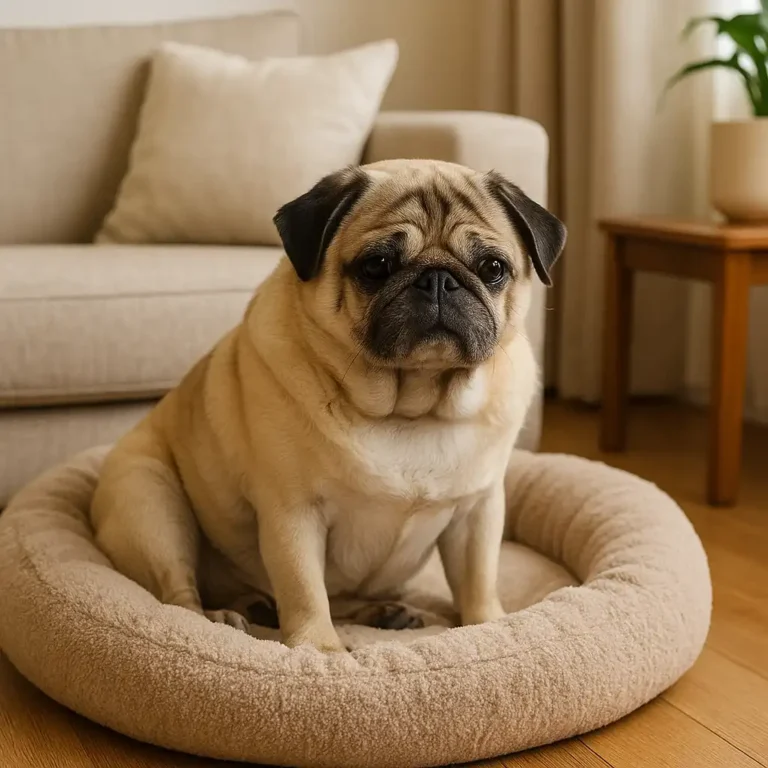
A well-padded bed helps reduce pressure on their joints and encourages longer, more restful naps. If you’re choosing one for your pug, this guide to comfortable dog beds that fit their body shape breaks down options that support healthy sleep.
Stick to steady routines
Predictable meals, playtime, and quiet time support healthy sleep patterns.
Use soft lighting at night
Gentle light makes it easier for them to wind down.
Avoid high-energy play before bedtime
Calm evenings lead to smoother nighttime sleep.
📌 Key Takeaways
- Adult pugs sleep around 12–14 hours a day
- Puppies and seniors often sleep 16–20 hours
- Long, frequent naps are completely normal for the breed
- Sudden sleep changes may signal discomfort or underlying issues
- Cool rooms and supportive bedding improve sleep quality
🟢 FAQs
Q: Why do pugs sleep so much?
Their low endurance and easygoing nature make longer rest periods normal.
Q: Is snoring normal for pugs?
Yes. Their short noses make snoring extremely common.
Q: Do pugs sleep more during the day or night?
They sleep most deeply at night but take several naps throughout the day.
Q: Should I wake my pug from naps?
Usually no—let them sleep unless you need to maintain a set routine.
✅ Conclusion
Pugs are naturally heavy sleepers, and their long nap times are a normal part of the breed’s rhythm. Most adults rest 12–14 hours a day, while puppies and seniors may sleep even more. As long as your pug seems comfortable, alert when awake, and follows a fairly steady routine, their sleep habits are usually nothing to worry about.