How Old Do Pugs Live to Be? Average Lifespan and What Affects It

Disclosure: This post contains affiliate links. As an Amazon Associate, I earn from qualifying purchases—at no extra cost to you.
Last Updated: December 2025
Pugs are known for their affectionate personalities and strong bonds with their owners, which naturally makes many people wonder how long they can expect to share life with their dog. Questions about lifespan often come up as pugs get older or when owners start noticing health changes.
On average, pugs live between 12 and 15 years. Some live even longer with good care, while others may face health challenges that affect longevity. Genetics, weight, daily habits, and overall health all play a role in how long a pug lives.
👉 For a broader look at how lifespan connects with overall breed health, this guide to long-term health risks in pugs explains why daily care plays such a big role in how long pugs live.
🔍 What Is the Average Lifespan of a Pug?
Most pugs live into their early to mid-teens, with around 13 years being fairly typical. Some pugs reach 16 years or more when health issues are well managed and weight is kept under control.
As with all dogs, individual lifespan varies. Lifestyle choices, preventive care, and early intervention make a noticeable difference over time.
🔍 What Factors Affect How Long Pugs Live?
Genetics play a major role, but daily care matters just as much. Diet quality, portion control, regular exercise, and routine veterinary visits all influence longevity.
Environmental factors also matter. Avoiding extreme heat, managing breathing-related issues, and reducing physical strain help protect a pug’s health as they age.
🔍 How Health Problems Impact Pug Lifespan
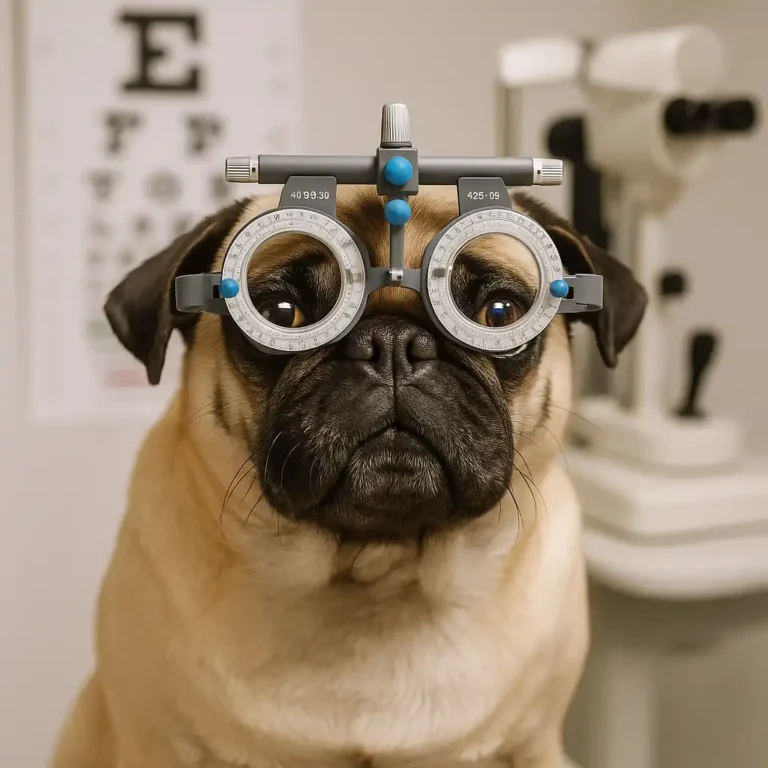
Pugs are prone to certain health conditions that can affect lifespan if not managed properly. Breathing issues, obesity, joint strain, and eye problems are among the most common concerns.
These conditions don’t automatically shorten a pug’s life, but poor management can reduce quality of life and increase health risks over time.
🔍 Do Pugs Live Longer Indoors?
Yes. Pugs generally live longer when kept primarily indoors. Indoor living protects them from heat stress, environmental hazards, and injuries.
Because pugs are sensitive to temperature and physical exertion, a controlled home environment often supports a longer, healthier life.
🔍 How to Help Your Pug Live a Longer, Healthier Life
Supporting a long lifespan starts with routine vet care, a balanced diet, and maintaining a healthy weight. Avoiding overfeeding and providing regular, low-impact exercise are especially important.
Early detection of health issues and consistent daily routines can add both years and comfort to a pug’s life.
📌 Key Takeaways
- Pugs typically live 12 to 15 years
- Genetics and daily care both affect lifespan
- Obesity and breathing issues can reduce longevity
- Indoor living supports longer life expectancy
- Preventive care improves both lifespan and quality of life
🟢 FAQs
Q: What is considered old for a pug?
Pugs are usually considered seniors around 7 to 8 years old, though many remain active and comfortable beyond that age.
Q: Can pugs live longer than 15 years?
Yes. Some pugs live into their mid-to-late teens with good health management and consistent care.
Q: Do male or female pugs live longer?
There is no major difference. Individual health, genetics, and lifestyle matter more than gender.
Q: Does diet affect how long a pug lives?
Yes. Proper nutrition and weight management play a major role in long-term health and lifespan.
✅ Conclusion
Pugs generally live between 12 and 15 years, but lifespan isn’t just about numbers. Quality of care, healthy habits, and early attention to health concerns all shape how long—and how well—a pug lives. With the right approach, many pugs enjoy long, comfortable lives alongside their families.