Why Is My Pug’s Nose Dry and Cracked? Common Causes and What to Do

Disclosure: This post contains affiliate links. As an Amazon Associate, I earn from qualifying purchases—at no extra cost to you.
Last Updated: December 2025
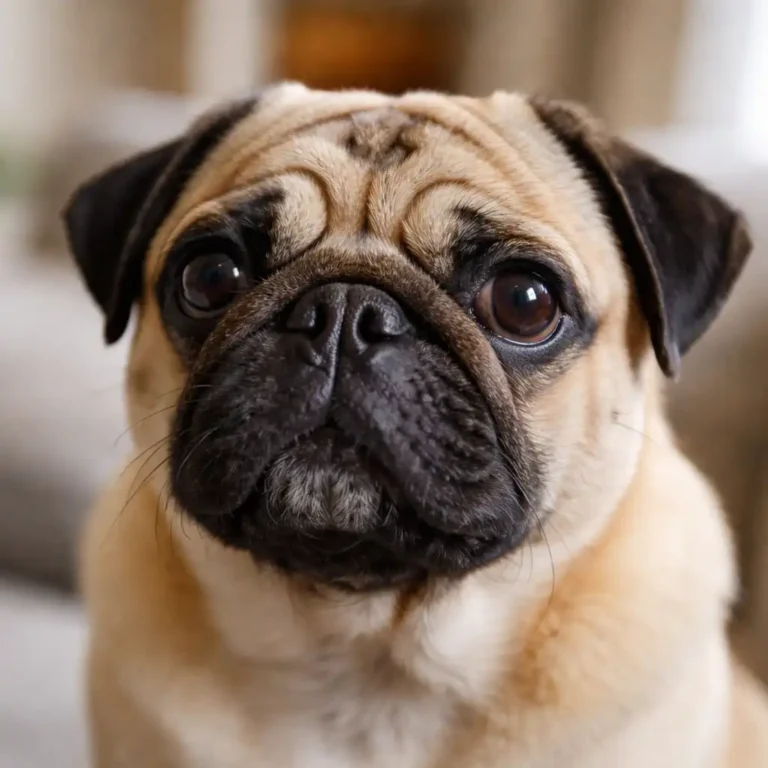
A pug’s nose is usually cool and slightly moist, so when it becomes dry or cracked, it often catches an owner’s attention. You may notice rough patches, peeling skin, or small cracks that don’t seem to heal quickly.
In many cases, a dry or cracked nose isn’t an emergency. Still, it can point to dehydration, irritation, environmental factors, or an underlying health issue. Knowing what’s normal—and what isn’t—helps you respond early and keep your pug comfortable.
👉 For a wider look at how nose, skin, and breathing issues connect in this breed, this guide to common health concerns in pugs explains why facial sensitivity is so common.
🔍 Is a Dry Nose Normal for Pugs?
A pug’s nose doesn’t need to stay wet all the time to be healthy. It’s common for it to dry out temporarily after sleeping, resting near heaters, or spending time in dry indoor air.
However, when dryness lasts for days or the skin starts cracking, it usually means something else is causing irritation.
🔍 Common Reasons a Pug’s Nose Becomes Dry and Cracked
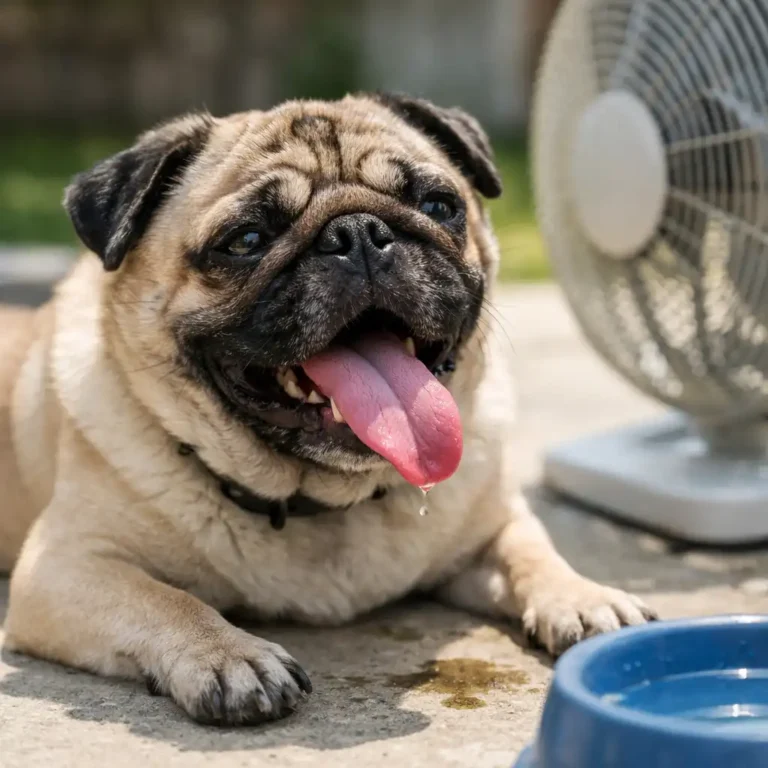
Dry air is one of the most frequent causes, especially during winter or in homes with constant air conditioning. Sun exposure can also dry out a pug’s nose, particularly during warmer months.
Other common triggers include dehydration, frequent licking, allergies, and contact with irritants like plastic bowls or harsh cleaning products.
🔍 Can Allergies Cause a Dry or Cracked Nose?
Yes. Allergies are a common reason pugs develop nose dryness. Environmental allergens, food sensitivities, or contact reactions can all irritate the nose and surrounding skin.
If dryness appears alongside itching, redness, or paw licking, allergies are often part of the problem.
🔍 Skin Conditions That Affect a Pug’s Nose
Some pugs develop skin conditions that cause thickened, crusty, or cracked noses. These issues may also affect the lips, chin, or facial folds.
Changes in texture, color, or smell should always be watched closely, especially if the nose doesn’t improve with basic care.
🔍 When a Cracked Nose Needs Veterinary Attention
A mildly dry nose can often be managed at home, but deep cracks, bleeding, swelling, or discharge should never be ignored.
If your pug’s nose doesn’t improve within a few days or keeps cracking repeatedly, a vet visit can help rule out infection or other health problems.
📌 Key Takeaways
- A temporarily dry nose can be normal in pugs
- Persistent dryness or cracking usually has an underlying cause
- Dry air, allergies, and dehydration are common triggers
- Skin conditions can affect the nose and surrounding areas
- Painful or ongoing cracking should be checked by a vet
🟢 FAQs
Q: Is a dry nose always a sign of illness?
No. A dry nose can be normal at times, but persistent cracking or soreness deserves attention.
Q: Can I put moisturizer on my pug’s nose?
Only products made specifically for dogs should be used. Human products may worsen irritation.
Q: Does dehydration cause a dry nose in pugs?
Yes. Dehydration can contribute to dryness, especially if other symptoms are present.
Q: How long should a dry nose last before I worry?
If dryness or cracking lasts more than a few days or becomes painful, a vet visit is recommended.
✅ Conclusion
A dry or cracked nose is common in pugs, but it shouldn’t be ignored when it becomes persistent or uncomfortable. Environmental factors, allergies, and skin sensitivity all play a role. By noticing changes early and responding appropriately, owners can help keep their pug’s nose healthy and pain-free.