Common Health Problems in Senior Pugs: What Aging Owners Should Watch for Over Time
Disclosure: This post contains affiliate links. As an Amazon Associate, I earn from qualifying purchases—at no extra cost to you.
Last Updated: December 2025
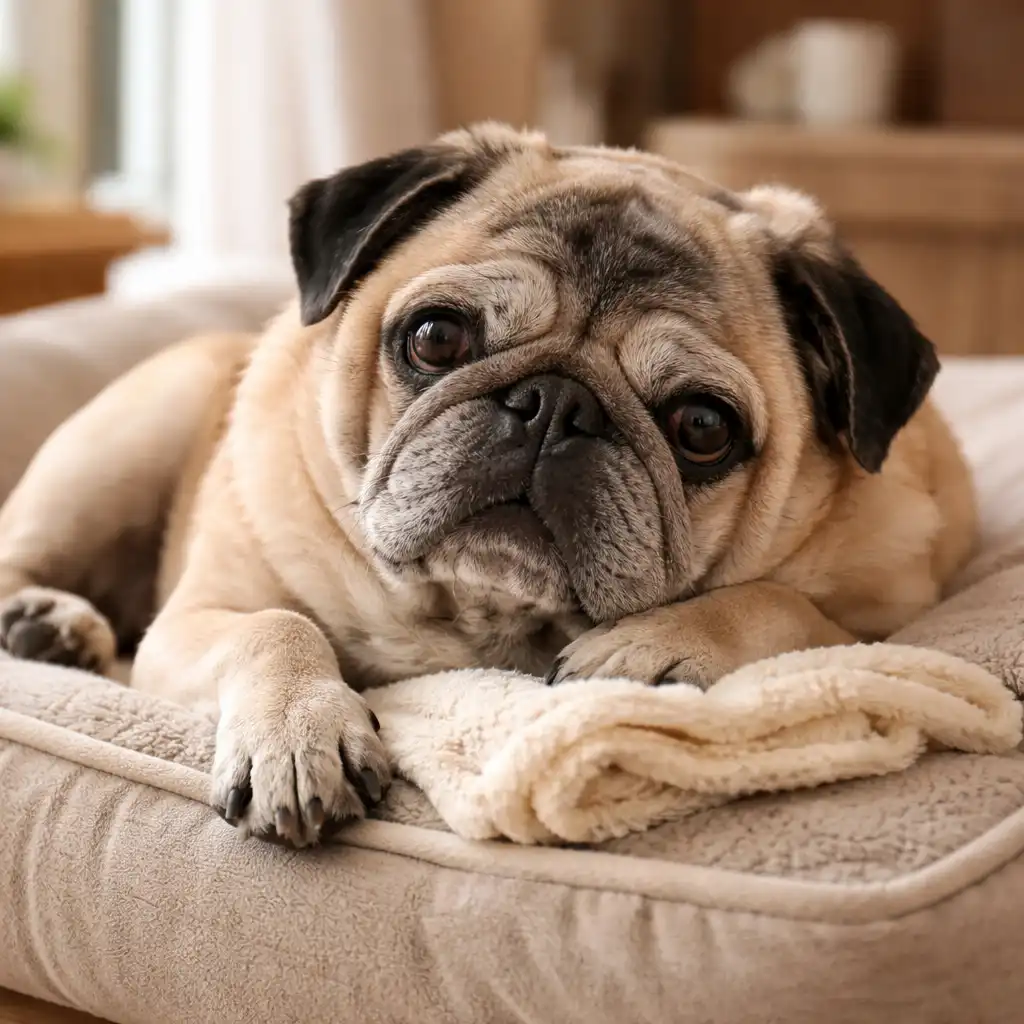
As pugs move into their senior years, their health needs often change in quieter, less obvious ways. Your pug may still enjoy food, naps, and short walks, but aging can bring a higher risk of health issues that benefit from closer attention.
👉 For a broader perspective on how aging impacts the breed, this guide to common pug health concerns explains why senior pugs often need more proactive care as they get older.
Knowing which health problems are most common in senior pugs makes it easier to notice early changes and adjust care before minor concerns become more serious.
🔍 Mobility and Joint Problems in Older Pugs
Joint stiffness and reduced mobility are very common in senior pugs. Years of carrying a compact body, combined with natural aging or weight gain, can lead to arthritis, spinal discomfort, or general stiffness.
You may notice slower movement, hesitation before jumping, or tiring sooner on walks. Soft bedding, gentle daily movement, and keeping weight under control can noticeably improve comfort.
🔍 Breathing Issues That Worsen With Age
Because pugs already have narrow airways, breathing issues often become more noticeable with age. Reduced muscle tone and even small amounts of extra weight can make snoring, heavy breathing, and quick fatigue more pronounced.
If breathing sounds grow louder or your pug struggles during mild activity, it’s often a sign routines need adjusting. Calm exercise, cooler environments, and low-impact movement are especially important for senior pugs.
🔍 Weight Gain and Slower Metabolism
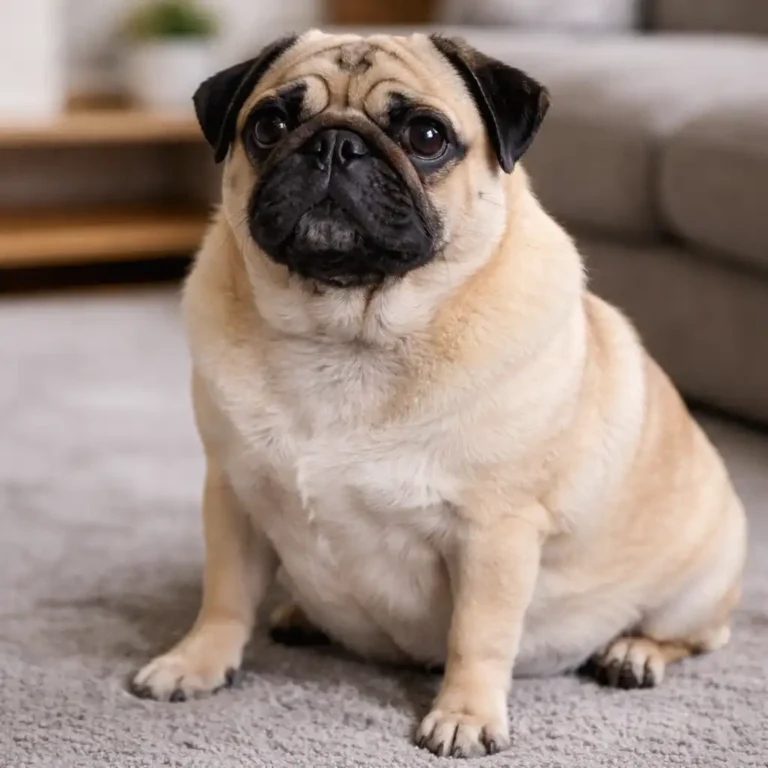
Many senior pugs gain weight more easily due to a slower metabolism and reduced activity levels. Even minor weight gain can add strain to joints, the spine, and the airway.
Measuring portions, limiting calorie-dense treats, and choosing diets designed for older dogs help reduce obesity-related complications over time.
🔍 Vision and Eye Health Changes
Eye changes become more common as pugs age. Redness, dryness, cloudiness, or increased discharge may appear more frequently in senior dogs.
Because pugs have prominent eyes, age-related eye issues can progress quickly if ignored. Any changes in appearance or behavior—such as bumping into furniture or hesitating in dim light—should be checked promptly.
🔍 Skin and Coat Problems in Senior Pugs
Older pugs may develop drier skin, recurring irritation, or slower healing of minor skin issues. Hormonal changes and reduced flexibility during grooming can contribute to these problems.
Regular skin checks, gentle grooming, and keeping facial folds clean help reduce discomfort and lower the risk of infections as pugs age.
🔍 Increased Risk of Medical Emergencies
Senior pugs are more vulnerable to sudden health events, including breathing crises, heat stress, and mobility-related injuries. Recovery time is often longer compared to younger dogs.
Knowing early warning signs and acting quickly can make a meaningful difference for aging pugs.
📌 Key Takeaways
- Senior pugs face higher risks of joint, breathing, and weight-related issues
- Aging can worsen existing breed-specific health concerns
- Eye and skin problems become more common over time
- Preventive care and early awareness improve quality of life
- Small daily adjustments can greatly improve senior comfort
🟢 FAQs
Q: At what age is a pug considered a senior?
Most pugs are considered seniors around 7 to 8 years old, though some may show age-related changes earlier or later.
Q: Are health problems inevitable in senior pugs?
No. While risks increase with age, many senior pugs stay comfortable with proper care, monitoring, and early intervention.
Q: Should senior pugs visit the vet more often?
Yes. More frequent checkups help catch developing issues early and allow care to be adjusted as your pug’s needs change.
Q: Can lifestyle changes really help senior pug health?
Absolutely. Diet adjustments, weight control, gentle exercise, and a stable environment can significantly improve comfort and mobility.
✅ Conclusion
Senior pugs are more likely to experience health problems, but aging doesn’t have to mean discomfort or declining quality of life. With awareness, consistent care, and timely adjustments, owners can help their senior pugs stay comfortable, mobile, and happy well into their later years.