Are Pugs Prone to Obesity? Causes, Risks, and How to Prevent Weight Gain

Disclosure: This post contains affiliate links. As an Amazon Associate, I earn from qualifying purchases—at no extra cost to you.
Last Updated: December 2025
Pugs love food, naps, and comfort, which is part of their charm—but it also puts them at higher risk of gaining weight. Many owners notice gradual weight gain and aren’t always sure when it becomes a real health concern.
The short answer is yes. Pugs are prone to obesity, and extra weight can sneak up faster in this breed than in many others. Understanding why it happens makes it much easier to prevent long-term problems.
👉 For a broader look at how weight issues connect with overall breed health, this pug health overview shows why managing weight is especially important for pugs.
🔍 Why Are Pugs More Likely to Gain Weight?
Pugs tend to have slower metabolisms and burn fewer calories throughout the day. They’re also very food-motivated, which makes overfeeding and frequent treats easy to fall into.
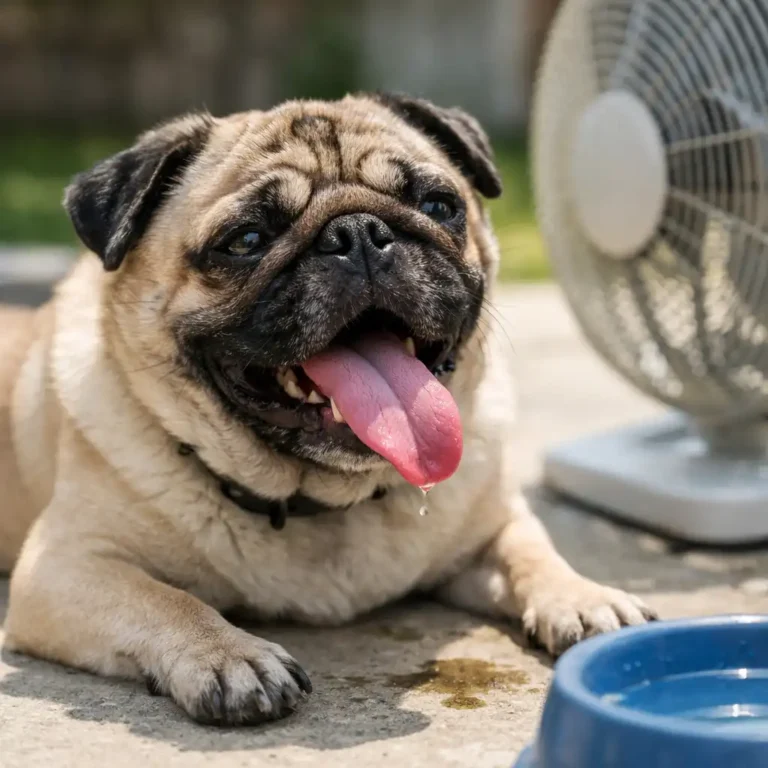
On top of that, many pugs don’t get as much exercise as they need due to breathing limitations or heat sensitivity, which further increases the risk of weight gain.
🔍 How Extra Weight Affects a Pug’s Health
Even a small amount of extra weight can put added strain on a pug’s joints, spine, and breathing. Because pugs already have compact bodies and short airways, added fat can make breathing problems noticeably worse.
Obesity also increases the risk of diabetes, heart strain, and reduced mobility, especially as pugs get older.
🔍 Signs Your Pug May Be Overweight
An overweight pug often loses their visible waistline and feels rounder around the chest and belly. You may also notice lower energy levels or reluctance to walk or play.
If you can’t easily feel your pug’s ribs without pressing firmly, excess weight may already be present.
🔍 Common Causes of Obesity in Pugs
Overfeeding is one of the most common causes, especially when portion sizes aren’t measured. Treats, table scraps, and calorie-dense foods can add up quickly.
Low activity levels, age-related slowing, and certain health conditions can also contribute to gradual weight gain.
🔍 How to Help Prevent Obesity in Pugs
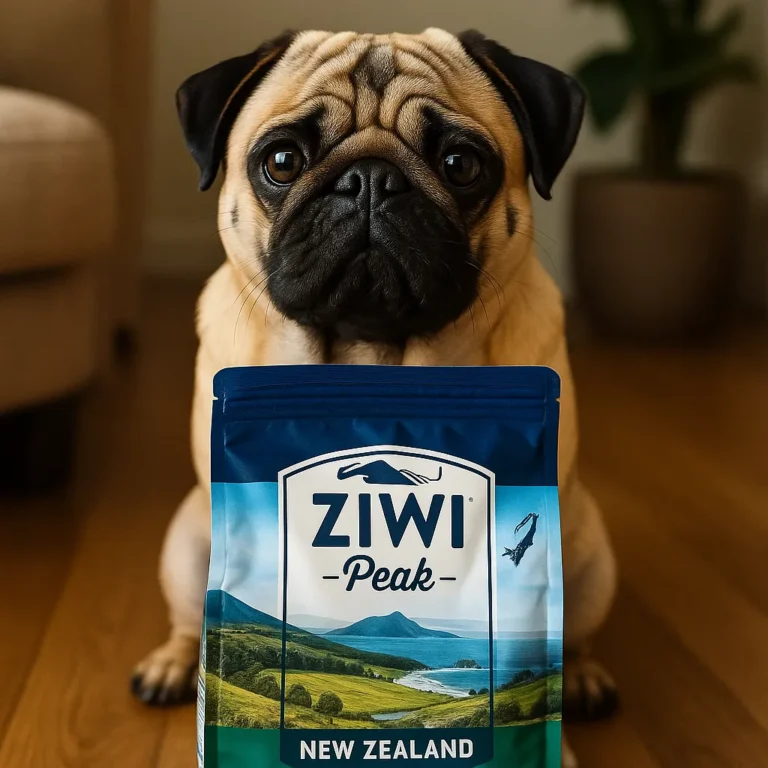
Preventing obesity starts with portion control and consistent feeding routines. Measuring food, limiting treats, and choosing balanced diets designed for small breeds can make a big difference.
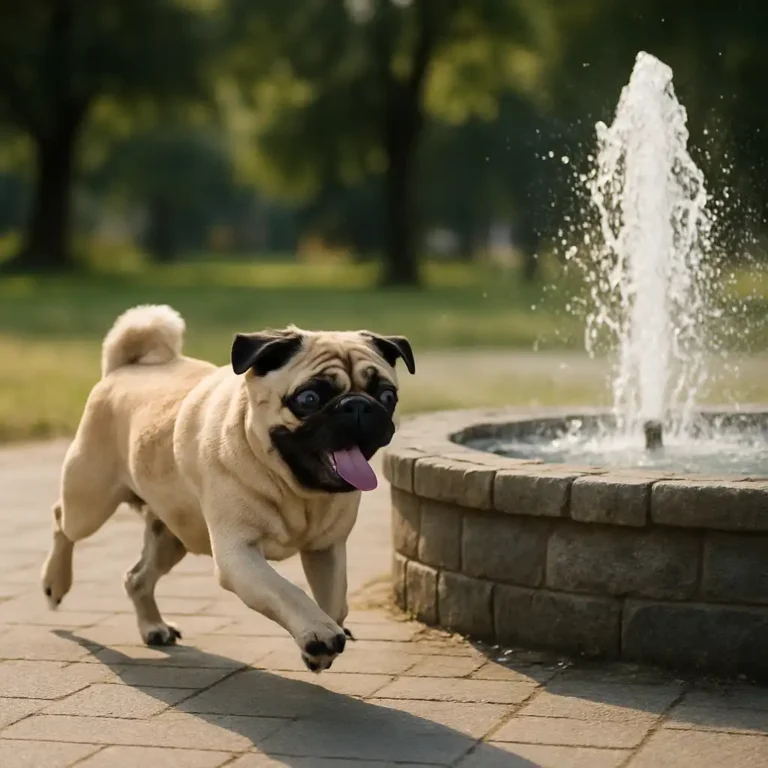
Daily low-impact exercise, such as short walks and indoor play, helps burn calories without overexerting your pug—especially during warmer weather.
📌 Key Takeaways
- Pugs are naturally prone to weight gain
- Slow metabolism and food motivation increase risk
- Extra weight worsens breathing and joint strain
- Overfeeding and low activity are common causes
- Early prevention is easier than weight loss
🟢 FAQs
Q: Are pugs more prone to obesity than other breeds?
Yes. Their body type, slower metabolism, and strong food motivation make pugs more susceptible to weight gain than many breeds.
Q: How can I tell if my pug is overweight?
Loss of a visible waist, difficulty feeling the ribs, and reduced activity are common signs of excess weight.
Q: Can obesity worsen breathing problems in pugs?
Yes. Extra weight puts added pressure on the airway and can make breathing issues more noticeable and harder to manage.
Q: At what age do pugs usually start gaining weight?
Weight gain often begins in adulthood, especially if diet and exercise aren’t adjusted as activity levels change.
✅ Conclusion
Pugs are prone to obesity, but weight gain isn’t inevitable. With mindful feeding, regular activity, and early awareness, owners can help their pugs maintain a healthy weight. Managing weight supports better breathing, mobility, and long-term quality of life.