Pug Health Problems Guide: Common Issues Every Owner Should Know

Disclosure: This post contains affiliate links. As an Amazon Associate, I earn from qualifying purchases—at no extra cost to you.
Last Updated: December 2025
Pugs are affectionate, expressive companions, but their unique body structure also makes them prone to a range of health problems. From breathing and heat sensitivity to skin, eye, and weight-related issues, many pug health concerns are closely connected—and understanding those connections is key to better care.
This hub brings together all of our in-depth guides on pug health problems in one place, so you can quickly find clear, trustworthy information on symptoms, risks, and practical ways to support your pug at every stage of life.
🔍 Breathing & Respiratory Health Problems in Pugs
Breathing issues are among the most well-known and serious health concerns in pugs. Their short noses and narrow airways affect how they breathe, sleep, exercise, and tolerate heat.
These guides explain why breathing problems happen, what’s normal versus concerning, and when to seek help:
- Why Do Pugs Have Breathing Problems?
- Why Do Pugs Snore?
- Why Do Pugs Snort?
- Are Pugs Prone to Respiratory Issues?
- Can Pugs Breathe Through Their Nose Properly?
🔍 Heat Sensitivity, Overheating & Temperature Risks
Pugs are extremely sensitive to heat, and overheating can quickly turn into a medical emergency. Understanding safe temperature limits and early warning signs is essential for everyday safety.
These articles cover heat risks and how to protect your pug indoors and outdoors:
- How Hot Is Too Hot for Pugs?
- Can Pugs Be Outside in the Heat?
- Do Pugs Need Air Conditioning?
- Why Do Pugs Overheat Easily?
- Signs of Heatstroke in Pugs
🔍 Skin, Coat & Allergy-Related Health Issues
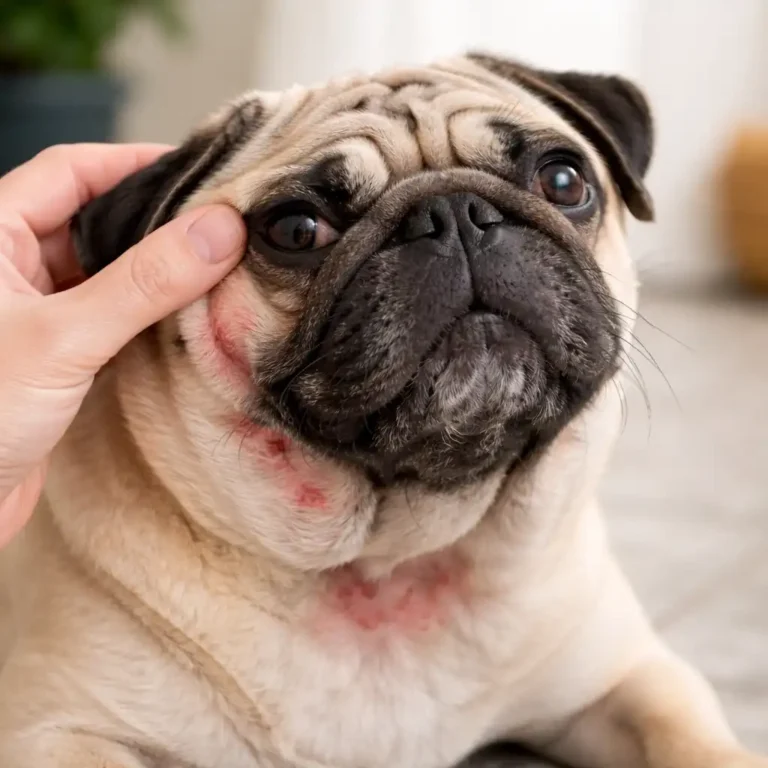
Skin problems are common in pugs due to folds, allergies, and sensitive skin. These issues often cause chronic discomfort if not managed early.
Learn how to recognize and manage common pug skin concerns:
🔍 Eye Health & Vision Problems in Pugs
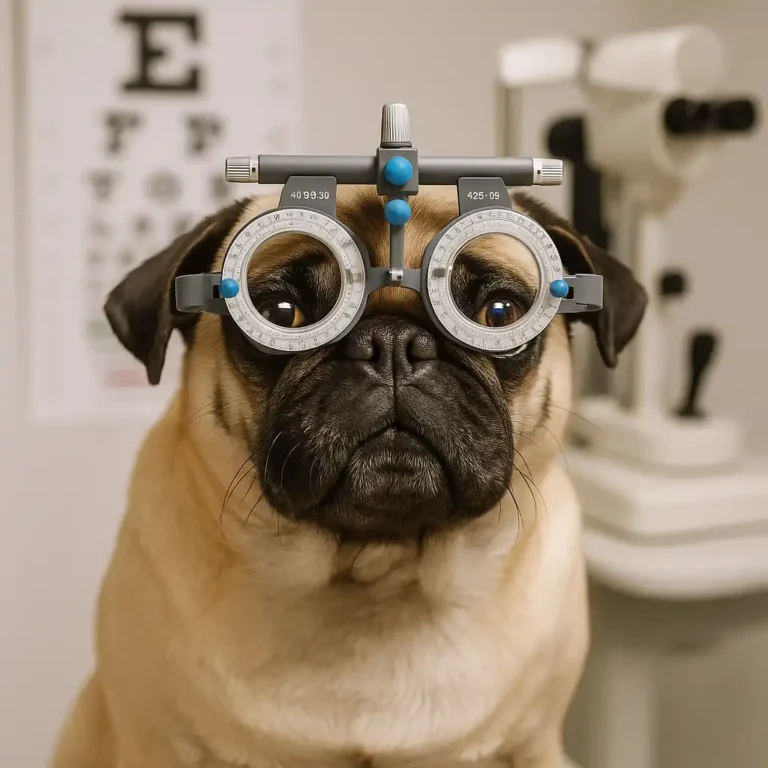
Pugs’ prominent eyes make them especially vulnerable to irritation, injury, and age-related changes. Eye issues should never be ignored.
These guides explain common eye symptoms and risks:
🔍 Weight, Aging & Senior Pug Health Problems
As pugs age, health risks often increase. Weight gain, mobility issues, and chronic conditions become more common and require closer monitoring.
These articles focus on long-term health and senior care:
- Are Pugs Prone to Obesity?
- How Old Do Pugs Live to Be?
- What Is the Life Expectancy of a Pug Dog?
- How to Care for a Senior Pug
- Common Health Problems in Senior Pugs
🔍 Emergency Health Situations in Pugs
Some pug health problems require immediate veterinary attention. Knowing what qualifies as an emergency can save your pug’s life.
This guide explains the most serious situations owners should never ignore:
📌 Key Takeaways
- Pugs are prone to health problems linked to breathing, heat, skin, eyes, and weight
- Many pug health issues are connected and can worsen with age
- Early awareness helps prevent emergencies and long-term discomfort
- Senior pugs need closer monitoring and routine adjustments
- Informed daily care makes a meaningful difference in quality of life
🟢 FAQs About Pug Health Problems
Q: Are pugs generally healthy dogs?
Pugs can live happy lives, but they are prone to specific health issues that require informed, proactive care.
Q: What is the most serious health problem in pugs?
Breathing and heat-related problems are often the most serious due to how quickly they can escalate.
Q: Do pug health problems get worse with age?
Many do. Aging can amplify existing issues like breathing difficulty, joint strain, and weight gain.
Q: How can I reduce health risks for my pug?
Maintain a healthy weight, manage temperature carefully, keep up with routine vet visits, and watch for early changes.
✅ Conclusion
Understanding pug health problems is one of the most important parts of responsible ownership. This guide brings together expert-backed resources to help you recognize symptoms early, manage risks, and make informed decisions throughout your pug’s life. With the right knowledge and consistent care, you can help your pug stay comfortable, healthy, and happy for years to come.