
How to Care for a Senior Pug: Comfort, Health, and Daily Support
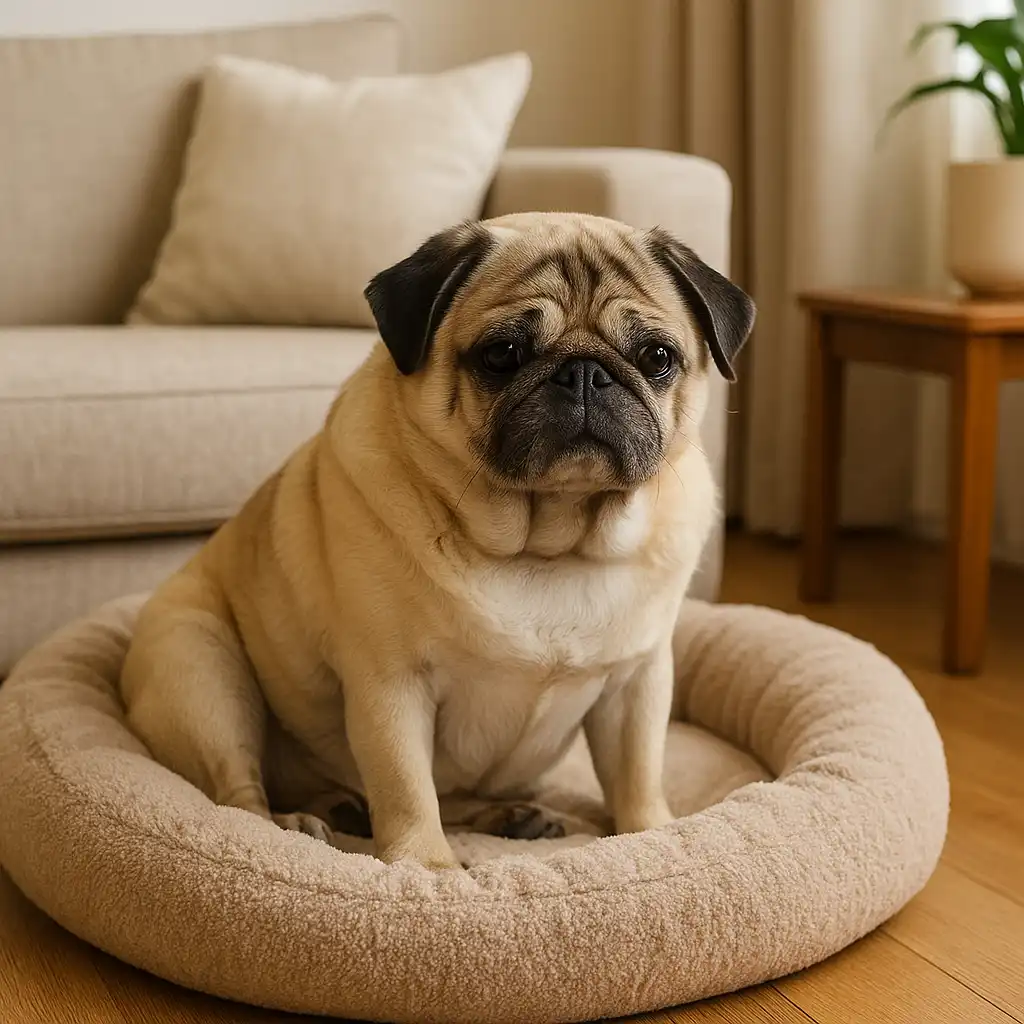
Disclosure: This post contains affiliate links. As an Amazon Associate, I earn from qualifying purchases—at no extra cost to you.
Last Updated: December 2025
As pugs get older, their needs change in subtle but important ways. You might notice slower movement, longer naps, changes in appetite, or small health concerns that weren’t present before. Caring for a senior pug isn’t about doing more—it’s about adjusting how you care for them.
Most pugs are considered seniors around 7 to 8 years old. With the right support, many continue to enjoy comfortable, happy lives well into their later years. Understanding how aging affects your pug helps you make better day-to-day decisions.
👉 For a broader look at how aging fits into overall breed health, this overview of common pug health concerns explains why senior care is especially important for pugs.
🔍 When Is a Pug Considered a Senior?
Pugs typically enter their senior years earlier than many larger breeds. Around age 7, you may start noticing changes in energy levels, recovery time, or flexibility.
Some pugs slow down earlier, while others stay playful well into their teens. Aging is gradual, and every pug experiences it a little differently.
🔍 Adjusting Diet for a Senior Pug
As metabolism slows, senior pugs usually need fewer calories but higher-quality nutrition. Overfeeding at this stage can lead to weight gain, which puts extra strain on joints and breathing.
Senior-focused diets often emphasize balanced protein, controlled fat, and nutrients that support joints and digestion.
🔍 Supporting Mobility and Joint Health
Joint stiffness and reduced mobility are common in senior pugs. You may notice difficulty climbing stairs, jumping, or getting settled on hard surfaces.
Providing soft bedding, encouraging gentle daily movement, and reducing slippery floors can noticeably improve comfort. Low-impact activity helps maintain muscle without overdoing it.
🔍 Managing Common Senior Health Issues
Older pugs are more prone to conditions such as arthritis, breathing difficulties, eye issues, and dental disease. Regular veterinary checkups help catch these problems early.
Paying attention to small changes—like altered breathing, appetite shifts, or behavior changes—often gives you early warning before issues worsen.
🔍 Creating a Comfortable Home Environment
Senior pugs benefit from calm routines and easy access to food, water, and resting spots. Keeping essentials on one level helps reduce strain.
Temperature control matters more with age, as older pugs are less tolerant of heat and cold.
🔍 Mental Stimulation and Emotional Well-Being
While senior pugs may slow down physically, mental engagement is still important. Gentle play, familiar routines, and regular interaction help keep them emotionally balanced.
Consistent companionship also reassures senior pugs as their senses and mobility change.
📌 Key Takeaways
- Pugs are considered seniors around 7 to 8 years old
- Diet and portion control matter more with age
- Joint support and gentle movement improve comfort
- Regular vet care helps manage age-related conditions
- A calm, accessible home supports senior well-being
🟢 FAQs
Q: How often should a senior pug see the vet?
Senior pugs usually benefit from veterinary checkups at least twice a year.
Q: Do senior pugs need less exercise?
They need gentler exercise, not complete rest. Short, regular walks work best.
Q: Should I switch my pug to senior dog food?
Many senior pugs benefit from age-appropriate diets, but changes should be discussed with a vet.
Q: How can I tell if my senior pug is in pain?
Signs include stiffness, reluctance to move, behavior changes, or reduced appetite.
✅ Conclusion
Caring for a senior pug is about comfort, consistency, and awareness. Aging brings changes, but thoughtful adjustments to diet, activity, and daily routines can greatly improve quality of life. With attentive care and plenty of affection, senior pugs can continue to enjoy their golden years.