Leash Training a Pug That Pulls: Calm Techniques That Actually Help
Disclosure: This post contains affiliate links. As an Amazon Associate, I earn from qualifying purchases—at no extra cost to you.
Last Updated: December 2025
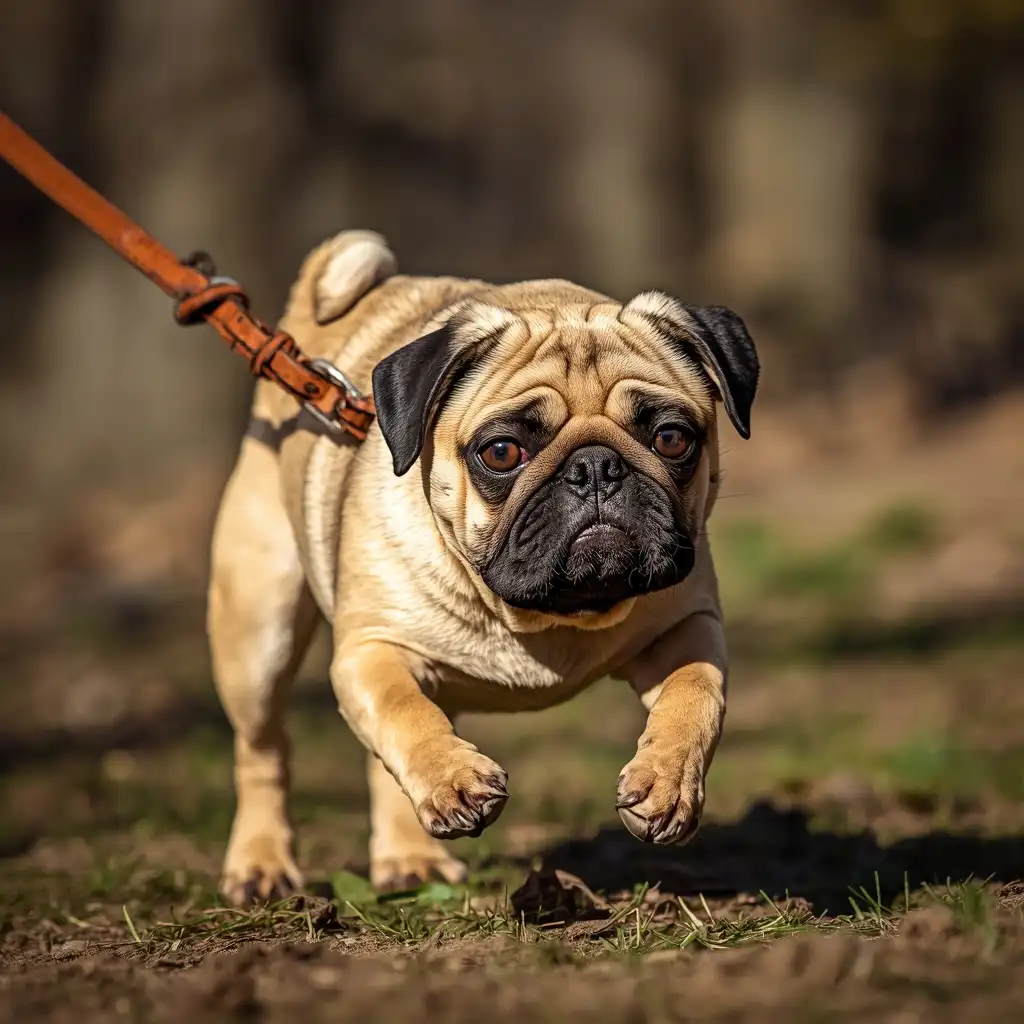
Leash pulling is one of the most common frustrations pug owners deal with. Even though pugs are small, constant pulling can quickly turn walks into something stressful instead of enjoyable.
In most cases, pulling isn’t about dominance or bad behavior. Pugs usually pull because they’re excited, curious, or simply haven’t learned what a relaxed walk is supposed to feel like yet.
👉 Looking for a bigger picture of walking skills and everyday behavior? This
pug training and behavior guide ties all the fundamentals together in one place.
🔍 Why Pugs Pull on the Leash
Pugs experience the world through smells first. When something catches their attention, their instinct is to move toward it immediately.
Because pugs are friendly, alert, and easily distracted, pulling often shows up when excitement outweighs training—especially in puppies and young adult pugs.
🔍 Start With the Right Expectations for a Pug Walk
Expecting a perfect heel usually leads to frustration. For most pugs, the real goal is a loose leash and a walk that feels calm and manageable.
Shorter walks with frequent pauses often work better than long outings where your pug becomes overstimulated and forgets their leash manners.
🔍 Choose Equipment That Supports Gentle Training
Comfort matters with pugs. A well-fitted harness that avoids pressure on the neck is usually a better option than a collar.
Tools that rely on discomfort or sudden corrections tend to backfire with pugs. Gentle guidance and consistency almost always work better.
🔍 Teach Loose-Leash Walking in Small Steps
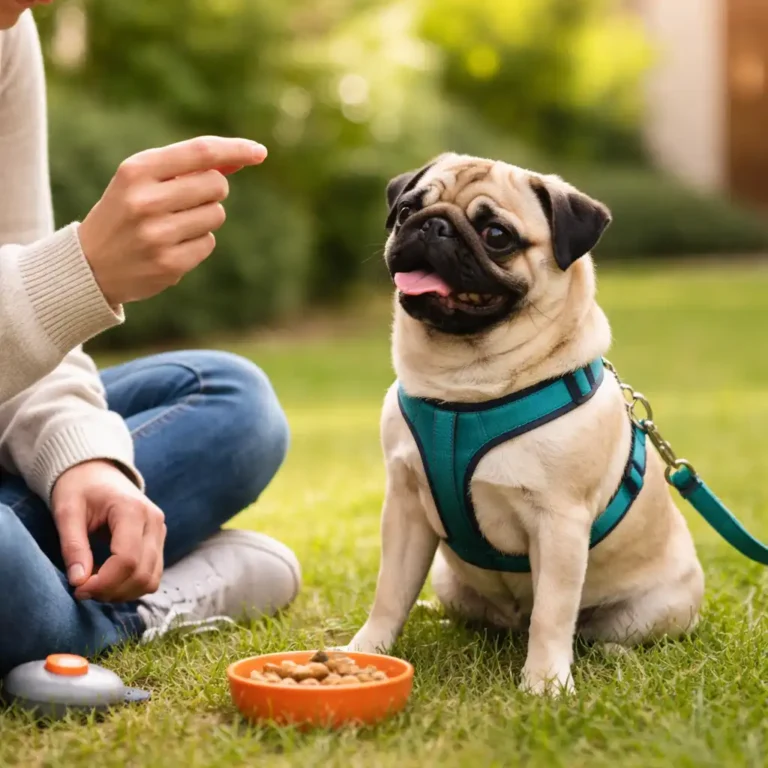
Begin in a low-distraction area like inside your home or just outside your door. Reward your pug any time the leash stays loose, even briefly.
If your pug starts pulling, stop walking. Wait calmly until the leash relaxes, then move forward again. This teaches that pulling doesn’t get them where they want to go.
🔍 What to Do When Your Pug Freezes or Refuses to Move
Some pugs pull forward, while others suddenly stop and plant themselves. This often happens when they feel unsure, overwhelmed, or overly focused on something nearby.
Instead of pulling or dragging, pause and reset. A calm voice, a short break, or changing direction usually works better than pressure.
🔍 Use Rewards Without Creating a Treat Dependency
Treats are helpful during leash training, but timing matters more than quantity. Small rewards given immediately after good leash behavior are most effective.
As your pug improves, start mixing in praise, movement, and freedom to sniff so treats don’t become the only motivation.
🔍 Common Leash Training Mistakes to Avoid
Pulling back on the leash often encourages your pug to pull harder. Inconsistent rules—sometimes allowing pulling and sometimes correcting it—can also slow progress.
Another common mistake is expecting quick results. Leash skills improve gradually with repetition and patience.
📌 Key Takeaways
- Leash pulling is usually excitement or distraction, not stubbornness
- A loose leash matters more than perfect positioning
- Short, calm walks work better than long, overstimulating ones
- Stop-and-wait techniques help build leash awareness
- Consistency matters more than strength
🟢 FAQs
Q: Are pugs harder to leash train than other dogs?
Pugs aren’t harder, but they can be more easily distracted. Calm, reward-based training usually works best.
Q: Should I use a harness or collar for a pug that pulls?
Most pug owners find a harness more comfortable and easier to manage than a collar.
Q: How long does leash training take for a pug?
Some improvement may show within weeks, but steady practice over time brings the best results.
Q: Can older pugs learn to stop pulling?
Yes. Older pugs can absolutely learn better leash habits with consistent, gentle training.
✅ Conclusion
Leash training a pug that pulls isn’t about control—it’s about communication. When walks stay calm, predictable, and rewarding, most pugs learn that staying close feels better than pulling ahead. Focus on small improvements, stay patient, and walks will become more enjoyable for both of you.