7 Basic Dog Commands Every Owner Should Teach First
Disclosure: This post contains affiliate links. As an Amazon Associate, I earn from qualifying purchases—at no extra cost to you.
Last Updated: December 2025
Teaching basic commands is one of the easiest ways to build clear communication with your dog. These commands aren’t about control—they’re about safety, consistency, and helping your dog understand what’s expected in everyday situations.
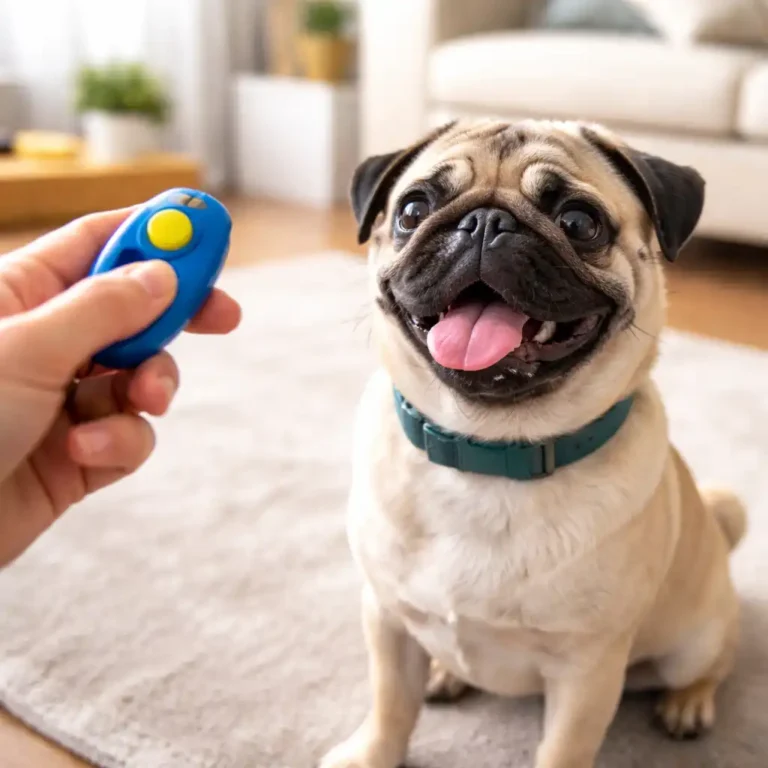
For pugs and other small breeds, training works best when it stays simple and positive. Short sessions, clear cues, and reliable rewards keep learning calm and effective.
👉 If you’re building a solid foundation, this overview of pug training and behavior basics explains how commands, rewards, and repetition work together.
Below are the seven basic dog commands every owner should focus on first, whether you’re starting with a puppy or reinforcing habits with an adult dog.
🔍 Sit
“Sit” is usually the first command dogs learn because it’s simple and useful. It helps build impulse control and creates calm moments during exciting situations.
For pugs, “sit” works well as a reset command during training or when energy levels rise.
🔍 Stay
“Stay” teaches your dog to hold a position until released. This command improves patience and safety, especially around doors, streets, or busy spaces.
Start with short stays and slowly increase time and distance as your dog gains confidence.
🔍 Come
“Come” is one of the most important commands for safety. It helps ensure your dog returns to you when called, even with distractions nearby.
Always reward generously so coming back feels like a good decision, not a punishment.
🔍 Down
“Down” asks your dog to lie down and relax. It’s a calming command that’s helpful when your dog feels overstimulated.
For small breeds, guiding the movement slowly and rewarding patience makes this command easier to learn.
🔍 Leave It
“Leave it” teaches your dog to ignore something tempting. This is especially useful for food-motivated dogs and helps prevent problems with unsafe objects.
Consistency matters here. The more your dog practices, the more reliable the response becomes.
🔍 Drop It
“Drop it” asks your dog to release something they’re holding. It helps prevent resource guarding and keeps unsafe items out of your dog’s mouth.
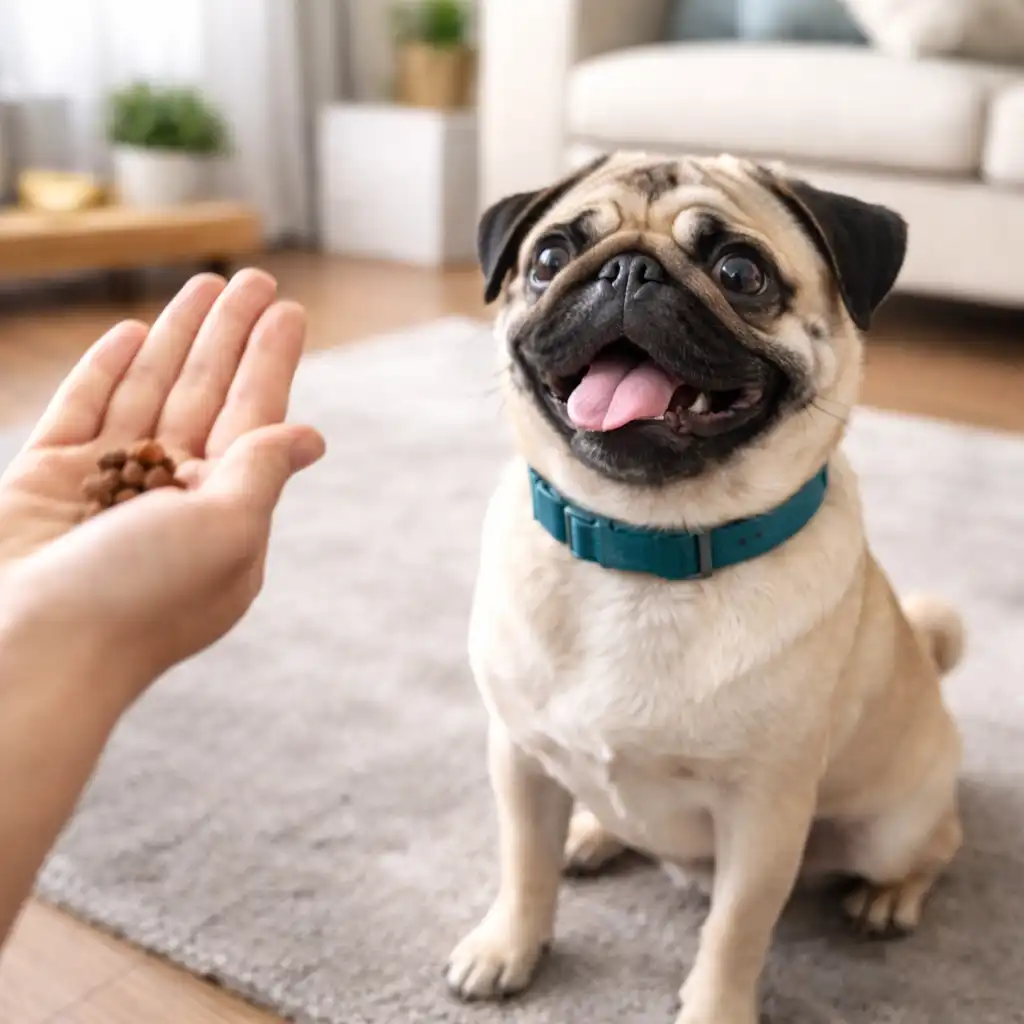
Trading for a treat or toy teaches your dog that letting go leads to something positive.
🔍 Heel (or Walk Nicely)
“Heel,” or loose-leash walking, teaches your dog to stay close without pulling. Even basic leash manners make daily walks more enjoyable.
Short, focused practice sessions work best, especially for pugs.
📌 Key Takeaways
- Basic commands improve communication and everyday safety
- Start with simple cues like sit and come
- Keep sessions short and reward-based
- Consistency matters more than speed
- Positive reinforcement works best for pugs
🟢 FAQs
Q: How many commands should I teach at once?
Focus on one or two commands at a time to avoid confusion.
Q: Are these commands suitable for puppies?
Yes. These commands work well for puppies and adult dogs when taught gently.
Q: How long does it take to teach basic commands?
Most dogs begin understanding commands within a few weeks, but consistency matters more than timing.
Q: Are pugs easy to train with basic commands?
Pugs can learn commands well when training stays positive, patient, and reward-based.
✅ Conclusion
The seven basic dog commands form the foundation of good behavior and everyday safety. By focusing on simple cues like sit, stay, and come, you give your dog clear guidance they can rely on. With patience and consistent practice, these commands naturally become part of daily life.