Pug Training and Behavior Guide: Understanding Your Pug From Puppy to Adult
Disclosure: This post contains affiliate links. As an Amazon Associate, I earn from qualifying purchases—at no extra cost to you.
Last Updated: December 2025
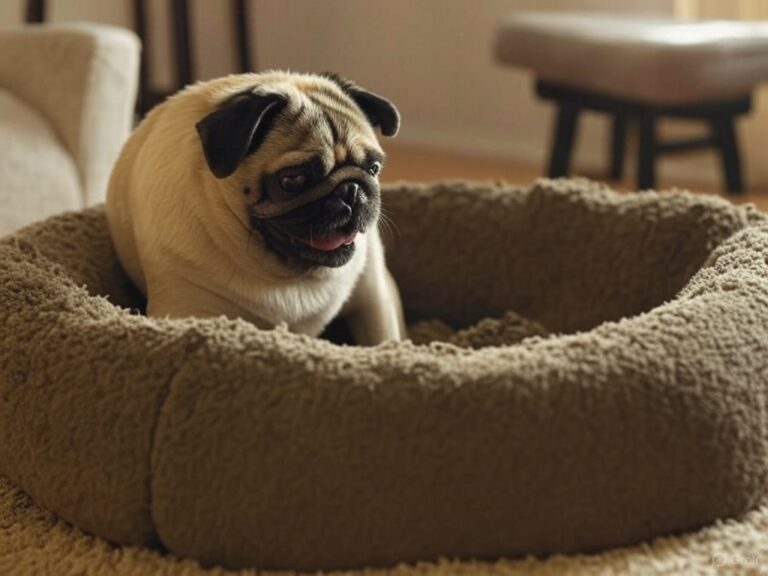
Pug training and behavior issues are often misunderstood. Stubbornness, clinginess, barking, or accidents don’t usually appear all at once. They tend to build up gradually, shaped by routine, communication, and how well a pug’s needs are understood day to day.
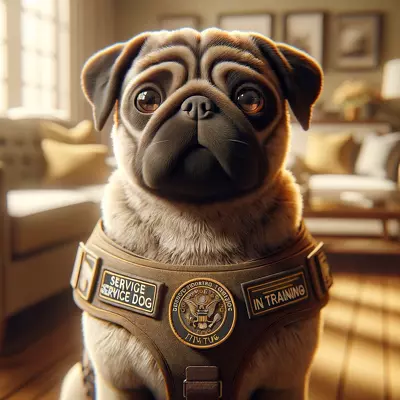
This hub brings together our most helpful guides on pug training and behavior in one place. Like the rest of BePug, it’s written for everyday pug owners who want clear explanations, realistic expectations, and training advice that actually works for this unique breed.
🔍 Understanding Pug Behavior Basics
Pugs are companion dogs by nature. They’re people-focused, emotionally sensitive, and highly routine-driven. That combination explains many common behaviors, from following you everywhere to struggling with independence or consistency during training.
The guides below explain how pug behavior develops and how to tell the difference between normal breed traits and habits that may need guidance.
These are a good starting point if you’re trying to understand why your pug acts the way they do before jumping into training techniques.
🔍 Pug Training Foundations & Basic Commands
Successful pug training starts with simple expectations, patience, and consistency. While pugs are intelligent, they don’t respond well to pressure-based methods or rushed training timelines.
The articles below focus on foundational skills every pug should learn and how to approach training in a way that fits their personality.
These guides help set realistic training goals and build communication without frustration for you or your pug.
🔍 Potty Training & House Training Challenges
House training is one of the most common challenges pug owners face. Accidents are rarely about defiance and more often tied to routine, timing, or mixed signals.
The guides below break down potty training expectations and provide practical solutions for common problems.
- Are Pugs Hard to Potty Train?
- How Long Does It Take to House Train a Puppy?
- How to Stop My Pug From Peeing in the House
They’re especially useful if potty training feels inconsistent or if progress has stalled despite your efforts.
🔍 Puppy Training, Biting & Socialization
Pug puppies explore the world with their mouths and emotions first. Biting, barking, and overstimulation are normal early behaviors, but they still need guidance before they turn into long-term habits.
These articles focus on shaping good behavior early through calm, structured training.
- Training a Pug Puppy Not to Bite
- How to Socialize a Pug Puppy
- How to Train a Pug Puppy Step by Step
- Leash Training a Pug That Pulls
They’re ideal if you’re raising a pug puppy and want to prevent behavior problems before they fully develop.
🔍 Separation Anxiety, Barking & Emotional Behavior
Because pugs bond so closely with their owners, emotional behaviors are common. Following, barking, whining, or distress when left alone can all stem from attachment rather than disobedience.
The guides below help you recognize emotional triggers and respond in a way that builds confidence and independence.
- Do Pugs Get Separation Anxiety?
- How to Stop a Pug From Barking
- Positive Reinforcement Training for Pugs
These are especially helpful if your pug seems anxious, vocal, or overly dependent during everyday routines.
🔍 Training Tools, Methods & Reinforcement
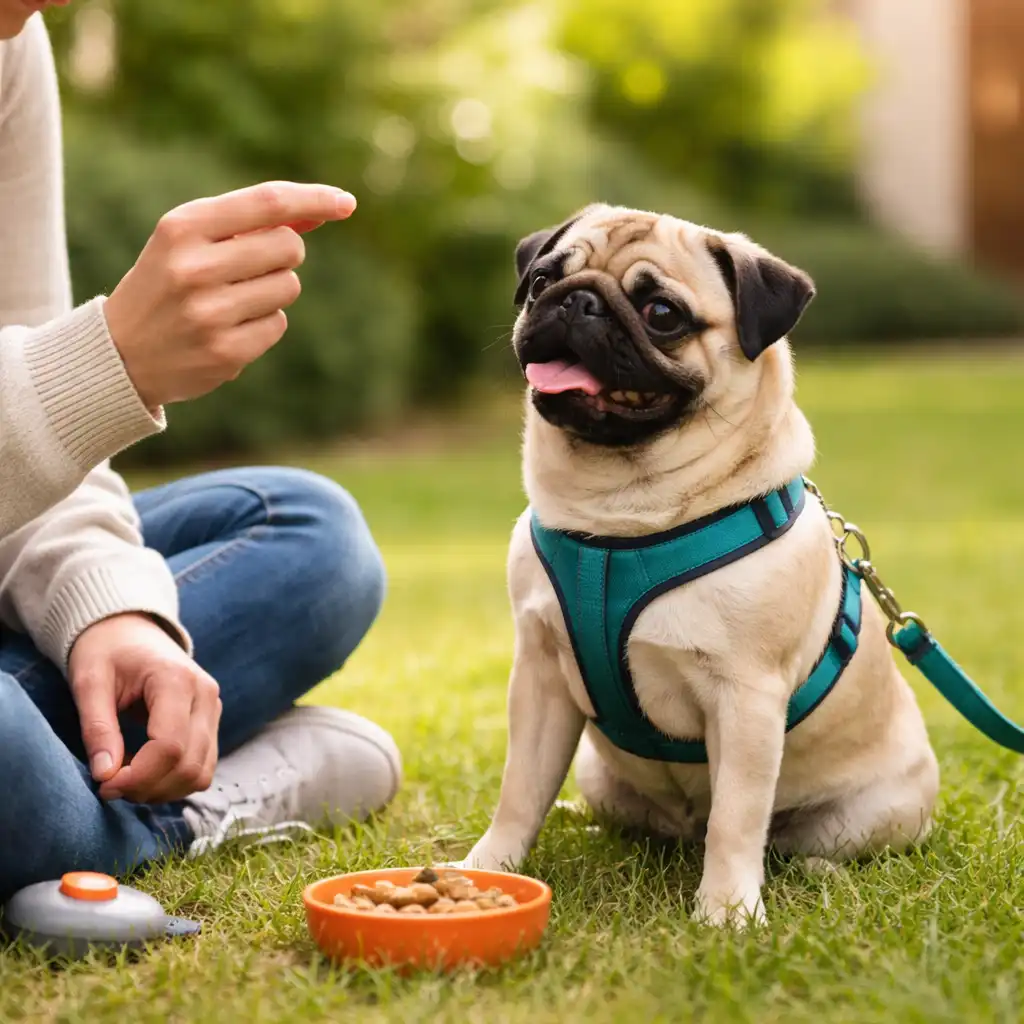
The right tools and training approach can make a noticeable difference with pugs. Because they’re sensitive dogs, positive reinforcement tends to be far more effective than correction-based methods.
These guides focus on reward-based training tools and techniques that suit small breeds like pugs.
They’re useful if you’re refining your training setup or looking for gentler, more effective ways to guide behavior.
📌 Key Takeaways
- Pug behavior is strongly shaped by routine, attachment, and consistency
- Training works best when expectations are clear and pressure stays low
- Potty training problems usually come down to timing and structure
- Emotional behaviors often reflect unmet attachment or confidence needs
- Positive reinforcement is the most reliable training approach for pugs
🟢 FAQs
Q: Are pugs hard to train compared to other breeds?
Pugs aren’t hard to train, but they do require patience and consistency. They respond best to positive reinforcement and predictable routines.
Q: Why does my pug seem stubborn during training?
What looks like stubbornness is often confusion, distraction, or unclear communication rather than refusal to learn.
Q: Is separation anxiety common in pugs?
Yes. Pugs are very people-oriented, which can make them more prone to separation-related behaviors if independence isn’t gradually encouraged.
Q: When should pug training start?
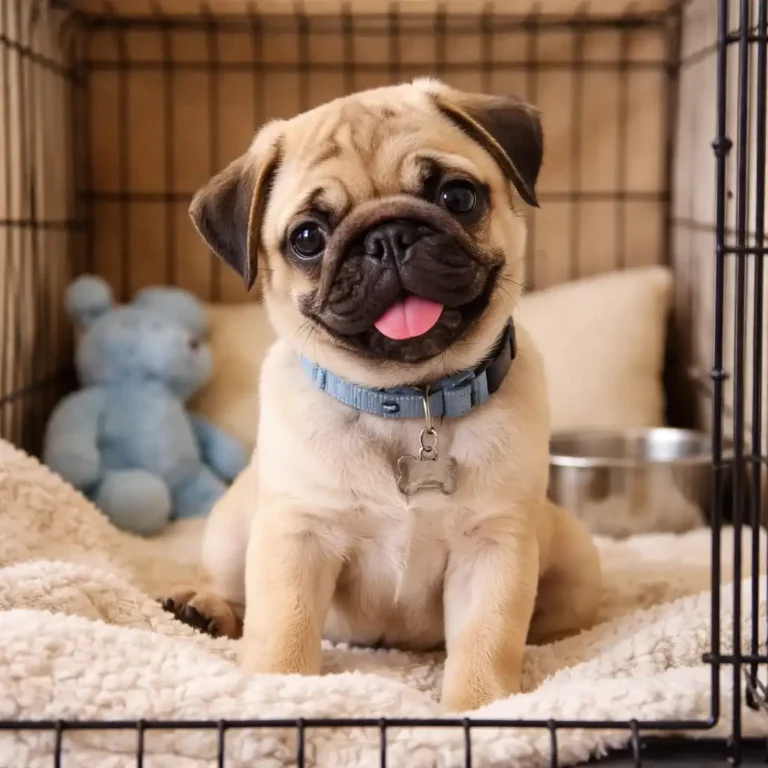
Basic training can start as early as 8 weeks old, focusing on routines, calm behavior, and positive reinforcement.
✅ Conclusion
Pug training and behavior aren’t about forcing obedience. They’re about understanding how pugs think, what motivates them, and how everyday habits shape long-term behavior. Whether you’re raising a puppy or addressing challenges with an adult pug, this hub brings everything together so you can build trust, improve communication, and train with confidence.