How to Stop a Pug From Barking: Practical Tips That Actually Work
Disclosure: This post contains affiliate links. As an Amazon Associate, I earn from qualifying purchases—at no extra cost to you.
Last Updated: December 2025
Excessive barking is one of the most common behavior concerns pug owners run into. While pugs aren’t known as constant barkers, they do bark for specific reasons—and when those reasons aren’t addressed, the noise can become frustrating fast.
The good news is that most barking issues improve once you understand what’s triggering them and how pugs respond to calm, consistent training.
👉 If you’re working through multiple behavior topics, this
pug training and behavior guide brings everything together in one place.
🔍 Why Pugs Bark in the First Place
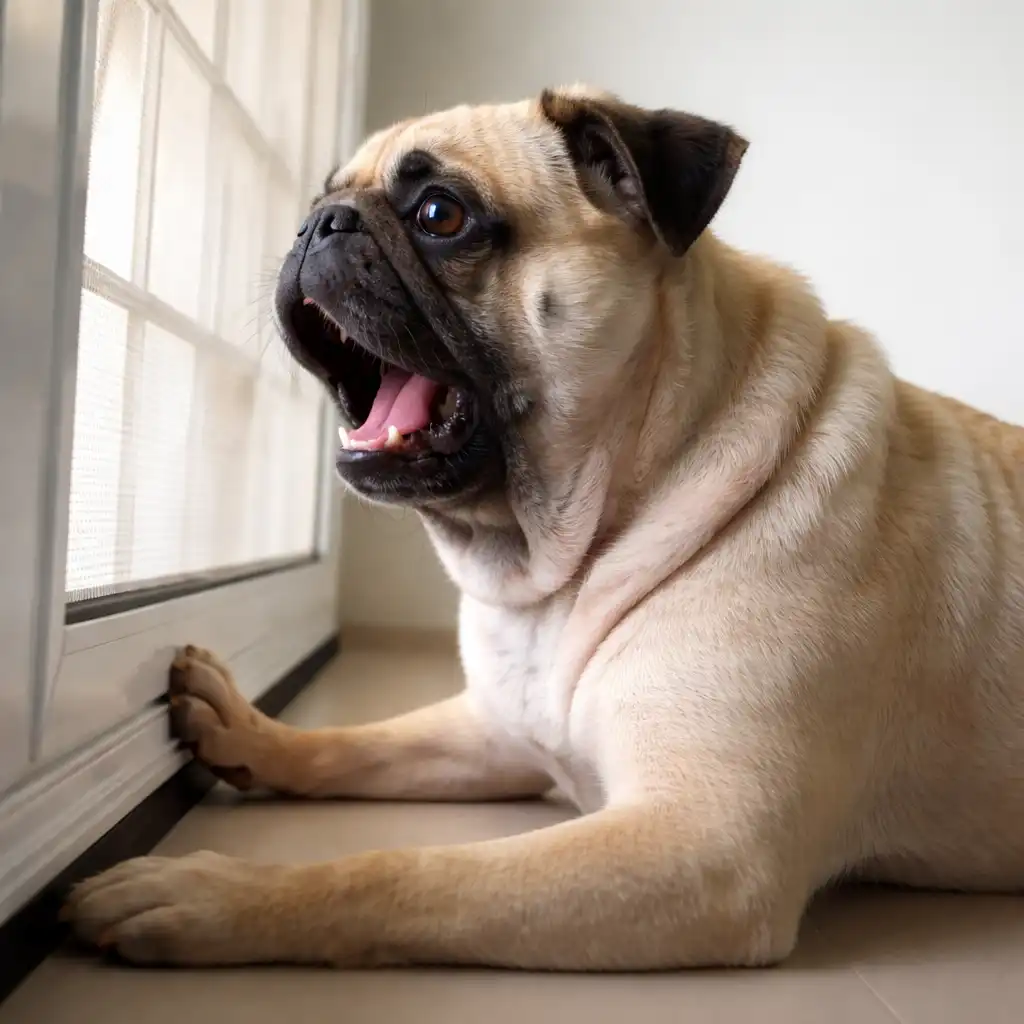
Pugs usually bark to communicate, not to be difficult. Common triggers include boredom, excitement, attention-seeking, anxiety, or reacting to sounds outside the home.
Because pugs are very people-focused, barking often shows up when they feel unsure, overstimulated, or simply want interaction.
🔍 Identify Your Pug’s Barking Triggers
Before trying to stop the barking, it helps to notice when it happens. Does your pug bark when the doorbell rings, when you leave the room, or during playtime?
Once you spot a pattern, it becomes much easier to respond in a way that actually reduces the behavior instead of reinforcing it.
🔍 How to Stop Attention-Seeking Barking
Many pugs bark because it works. If barking leads to eye contact, talking, or being picked up, your pug learns that noise gets results.
Instead, reward quiet behavior. Wait for a pause before giving attention, treats, or praise so your pug connects calm behavior with positive outcomes.
🔍 Reducing Barking Caused by Boredom
A bored pug is far more likely to bark. Even though pugs are small, they still need daily mental and physical stimulation.
Short walks, simple training sessions, interactive toys, and puzzle feeders can all help burn off energy and reduce boredom-related barking.
🔍 Managing Barking From Anxiety or Fear
Some pugs bark because they feel nervous or overwhelmed, especially when left alone or exposed to unfamiliar noises.
In these situations, punishment usually makes things worse. Calm reassurance, predictable routines, and gradual exposure tend to work far better than correction.
🔍 Training Techniques That Help Reduce Barking
Teaching commands like “quiet” or rewarding calm behavior can be effective when done consistently. Keep training sessions short and positive.
Focus on reinforcing silence rather than reacting to barking. Over time, your pug learns that being calm gets more attention than being noisy.
🔍 Common Mistakes That Make Barking Worse
Yelling often increases barking because pugs interpret it as engagement. Inconsistent responses can also confuse your dog and slow progress.
Another common mistake is expecting immediate results. Barking habits usually take time to change, especially if they’ve been reinforced for a while.
📌 Key Takeaways
- Pugs bark to communicate, not out of stubbornness
- Identifying the trigger is the first step to reducing barking
- Attention-seeking barking improves when calm behavior is rewarded
- Mental stimulation helps reduce boredom-related barking
- Consistency matters more than strict correction
🟢 FAQs
Q: Are pugs known for barking a lot?
No. Pugs are generally moderate barkers, but environment and routine play a big role.
Q: Should I ignore my pug when they bark?
Ignoring attention-seeking barking can help, but anxiety-based barking usually needs reassurance and training.
Q: Do bark collars work for pugs?
Most pug owners find training and routine changes more effective and gentler than bark collars.
Q: How long does it take to reduce excessive barking?
Some improvement can happen quickly, but lasting change often takes a few weeks of consistent training.
✅ Conclusion
Stopping a pug from barking isn’t about silencing your dog. It’s about understanding what they’re trying to communicate and responding in a way that builds calm habits. With patience, structure, and consistent reinforcement, most pugs learn quieter behaviors that make daily life more peaceful for everyone.