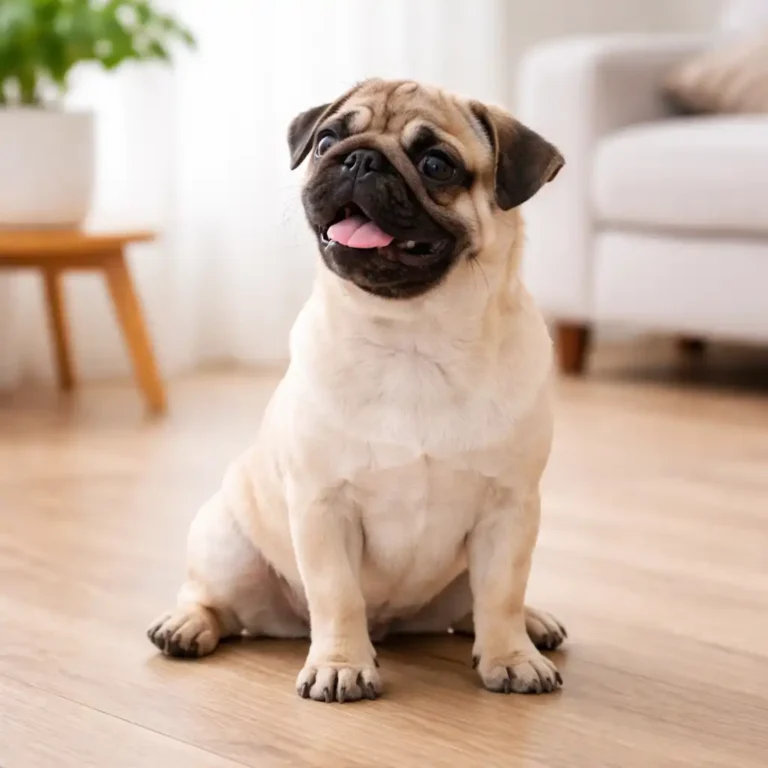
Crate Training a Pug Puppy: A Calm, Stress-Free Guide for New Owners
Disclosure: This post contains affiliate links. As an Amazon Associate, I earn from qualifying purchases—at no extra cost to you.
Last Updated: December 2025
Crate training a pug puppy can feel overwhelming at first. Many owners worry the crate will feel restrictive or that their pug will resist it completely. In everyday life, crate training often makes routines calmer and more predictable.
Pugs are comfort-loving, people-focused dogs. When introduced properly, a crate becomes a familiar place to rest and switch off, not a form of isolation. It supports sleep routines, potty habits, and gentle independence.
👉 If you’re working through multiple training topics, this
pug training and behavior guide brings everything together in one place.
🔍 Why Crate Training Works Well for Pug Puppies
Pug puppies do best when their day has a clear rhythm. A crate helps separate playtime, rest, and potty breaks, which reduces confusion early on.
Because pugs form strong attachments, having a consistent resting spot often helps them settle faster instead of feeling anxious. With time, many pugs choose their crate on their own.
🔍 When to Start Crate Training a Pug Puppy
Crate training can begin as soon as your pug puppy comes home. Early exposure helps the crate feel normal rather than unfamiliar or stressful.
Starting with short daytime sessions works best. Gradually increasing crate time allows your puppy to adjust without pressure.
🔍 Choosing the Right Crate for a Pug Puppy
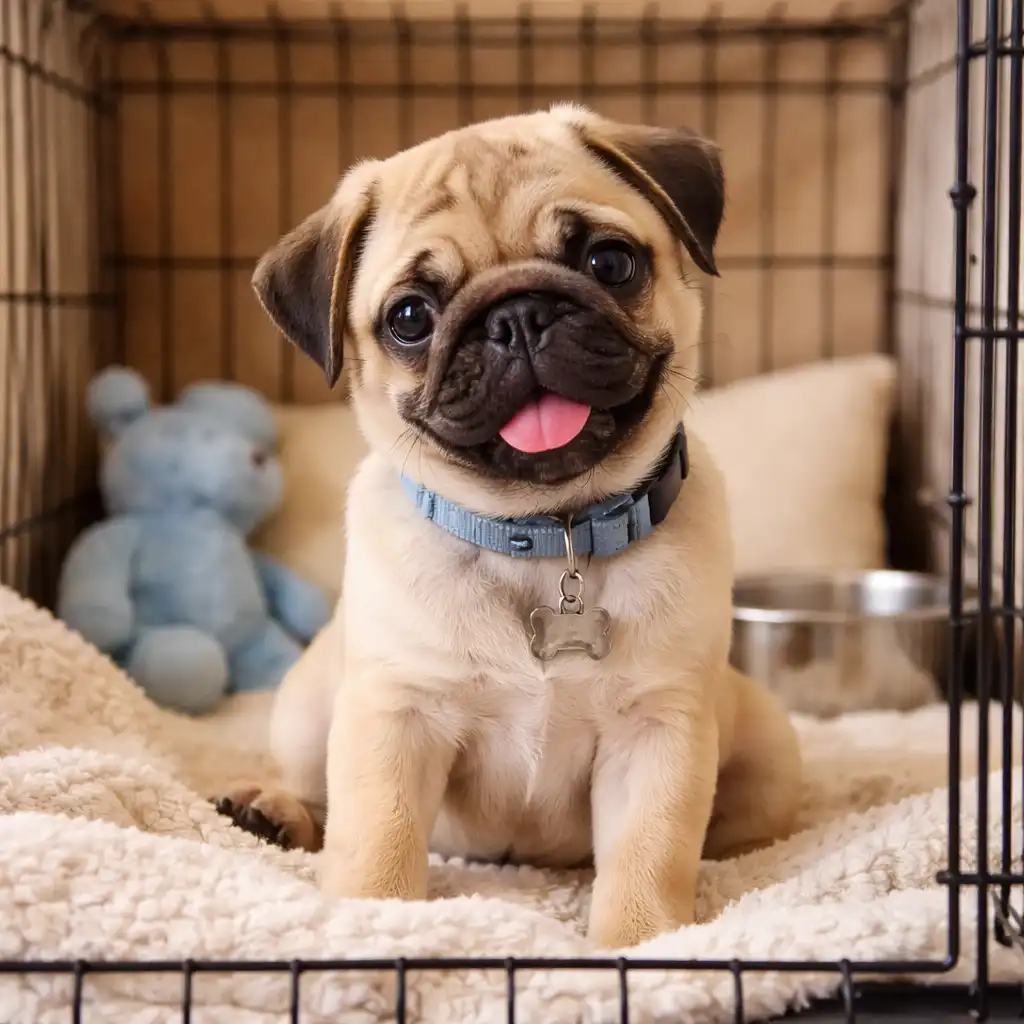
Crate size matters more than most owners expect. Your pug should be able to stand, turn around, and lie down comfortably, without extra space for accidents.
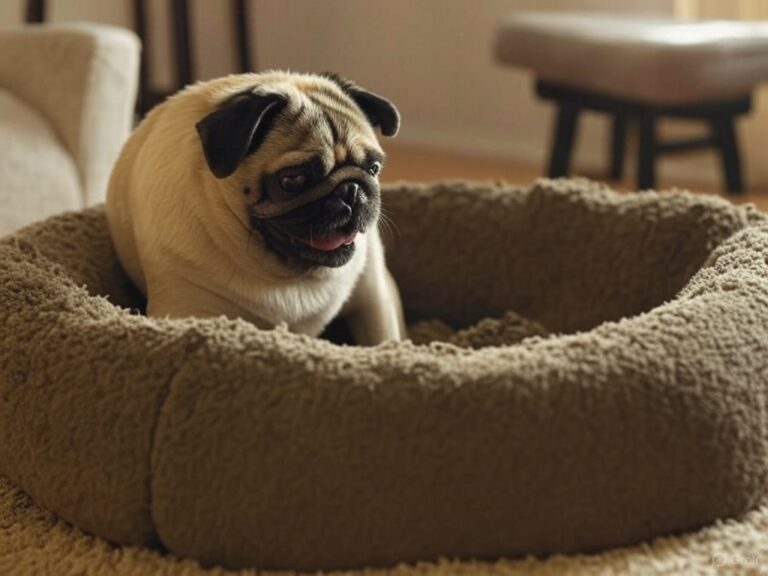
Soft bedding, good airflow, and placing the crate in a quiet but lived-in area of your home all help it feel inviting and secure.
🔍 How to Introduce the Crate Without Stress
Never force your pug into the crate. Let them explore it naturally with the door open at first.
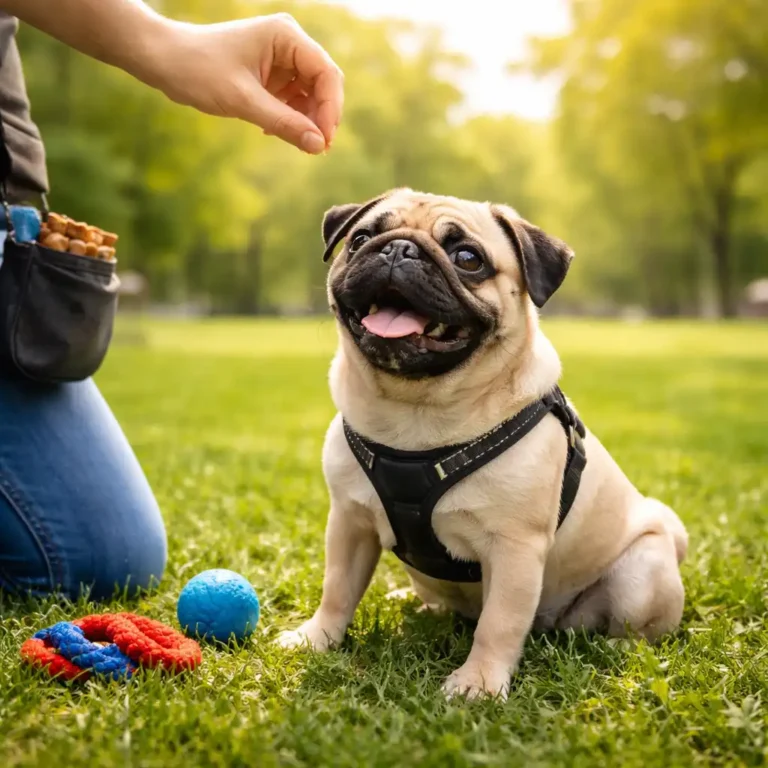
Using treats, toys, and calm praise helps your puppy associate the crate with good things. Feeding meals near or inside the crate can also make it feel familiar and safe.
👉 Reward-based approaches work especially well with pugs, as explained in this guide on positive reinforcement training for pugs.
🔍 Crate Training and Potty Training Go Hand in Hand
Crate training is one of the most helpful tools for potty training a pug puppy. Puppies naturally avoid soiling their sleeping area, which encourages bladder control.
Taking your pug outside immediately after crate time reinforces the habit of going potty in the right place.
👉 If accidents are still happening, this article on how to stop my pug from peeing in the house can help troubleshoot common issues.
🔍 Common Crate Training Mistakes to Avoid
Using the crate as punishment is one of the biggest mistakes owners make. This quickly turns the crate into a source of stress instead of comfort.
Another common issue is crating a puppy for too long. Young pugs need frequent potty breaks, short play sessions, and regular interaction, especially in the early weeks.
📌 Key Takeaways
- Crate training helps pugs feel secure rather than confined
- Starting early makes crate training smoother and less stressful
- Proper crate size supports comfort and potty training
- Positive reinforcement builds trust and cooperation
- Crates work best as part of a predictable daily routine
🟢 FAQs
Q: Is crate training safe for pug puppies?
Yes. When introduced gradually and used properly, crate training is safe and beneficial for pug puppies.
Q: How long can a pug puppy stay in a crate?
A common guideline is one hour per month of age, plus one, during the day.
Q: Should I crate my pug puppy at night?
Many owners find nighttime crating helpful. Keeping the crate near your bed often helps a puppy feel more secure.
Q: What if my pug cries in the crate?
Some whining is normal at first. If basic needs are met, consistency and calm reassurance usually reduce it over time.
✅ Conclusion
Crate training a pug puppy isn’t about confinement. It’s about creating structure, comfort, and clear communication during a busy stage of life. When introduced patiently and used consistently, a crate becomes a safe place your pug can relax and reset, making puppyhood calmer for everyone involved.